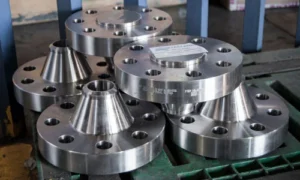
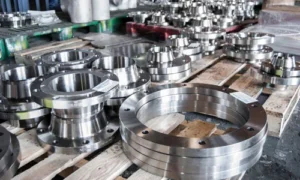
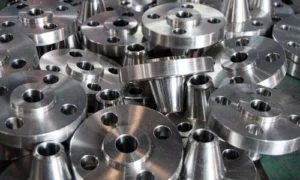
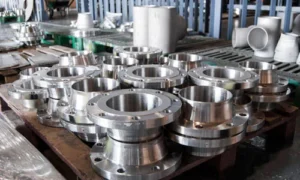
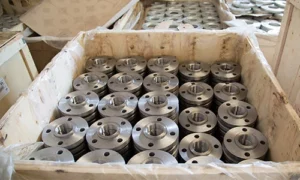
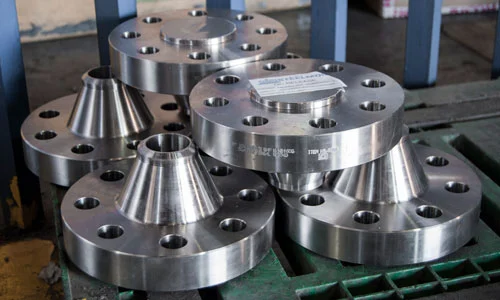
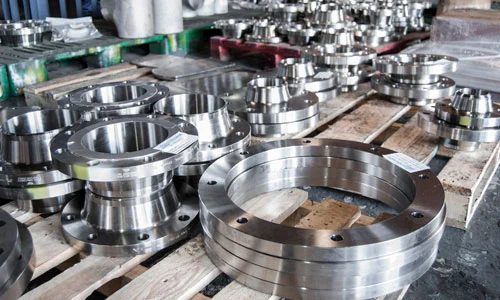
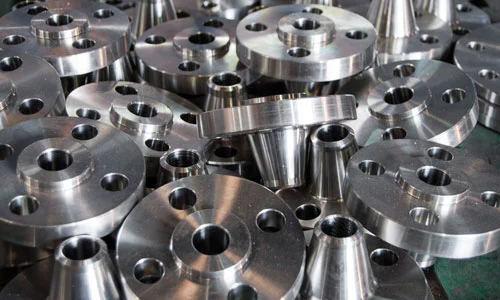
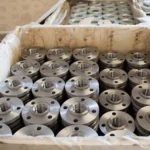
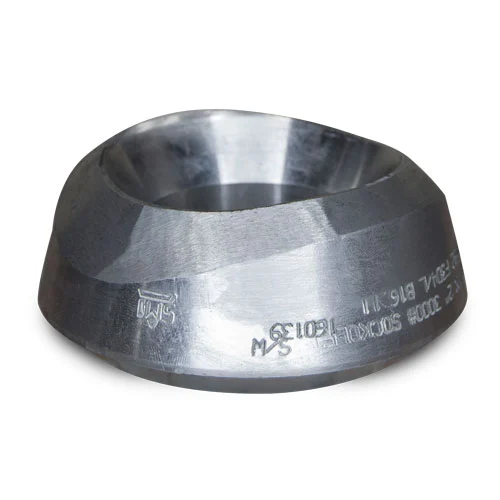
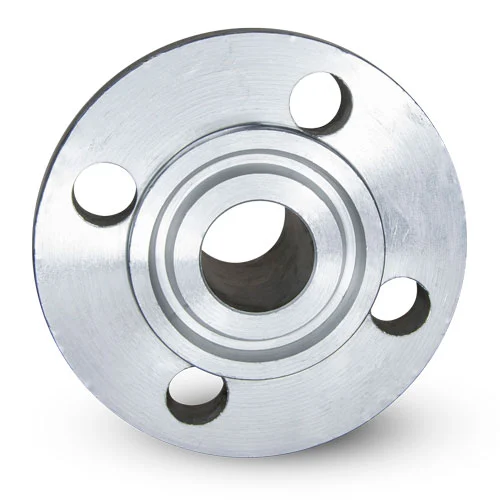
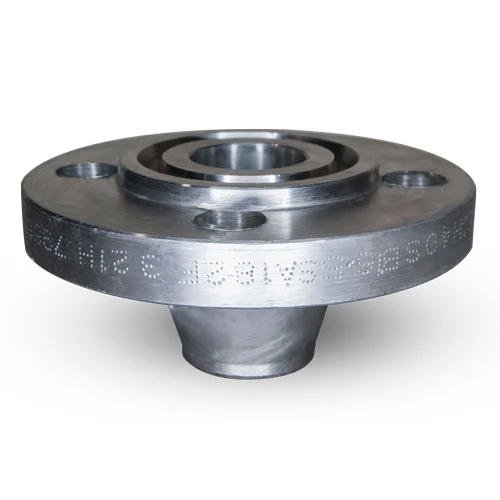
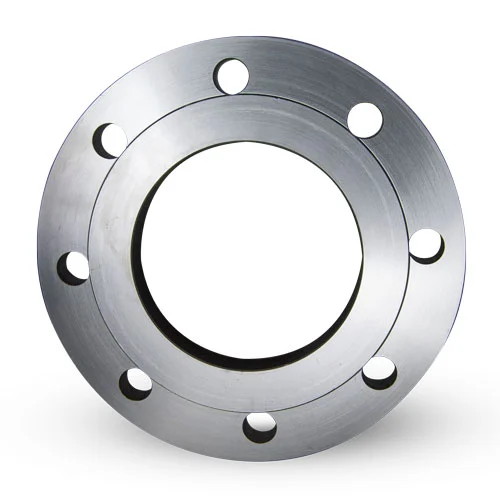
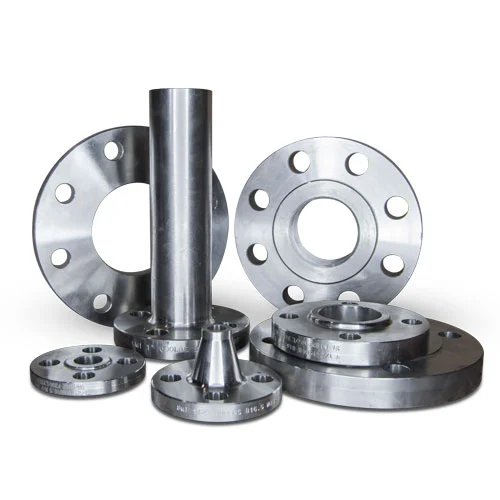
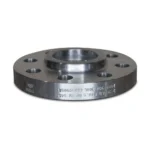
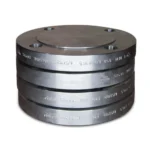
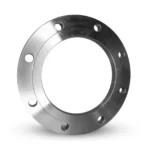
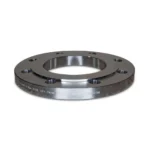
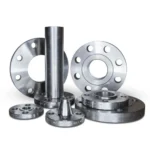
Stainless Steel Flanges
Forged Flanges: Connecting Pipes with Strength and Reliability
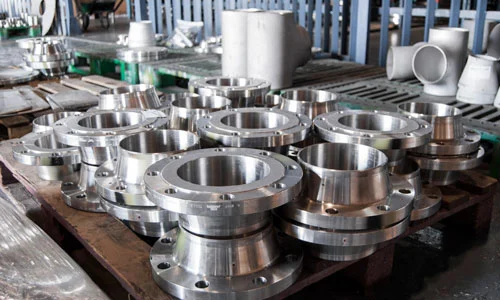
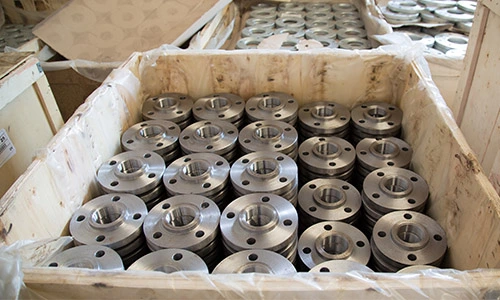
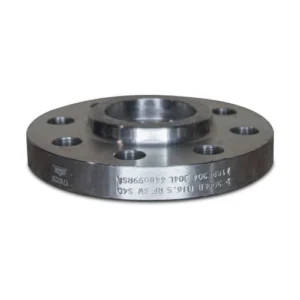
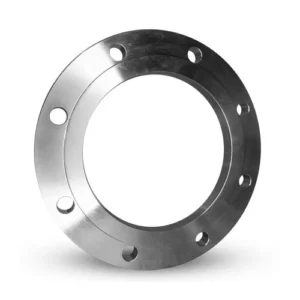
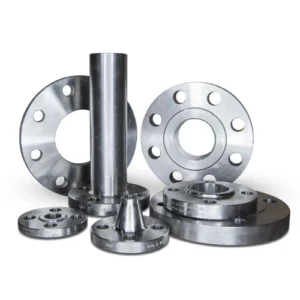
A flange is typically a disc-shaped component used to connect a pipe to a tee, choke, valve, or other equipment, forming a complete pipework system. Forged flanges make access for cleaning, repairs, modifications, or inspections much easier.
When installing a flange, a gasket is inserted between the flanges to form a tight seal. The flanges are then joined together and either welded or threaded onto the piping system, providing both support and strength to the joint.
Materials
The most common material for forged flanges is forged carbon steel, but they can also be made from:
- Stainless steel
- Brass
- Aluminium
- Cast iron
- Plastic
- Bronze
In most cases, the flange material matches the pipe or tube material.
Types of Flanges
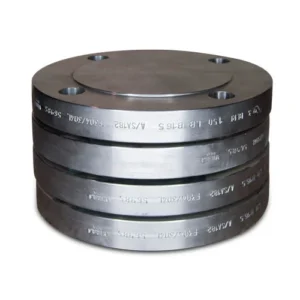
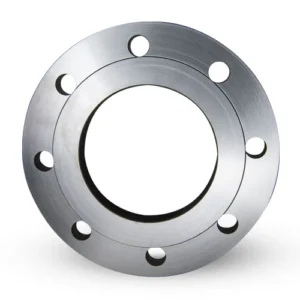
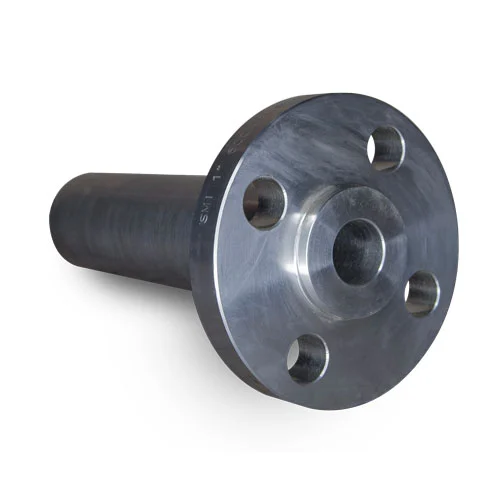
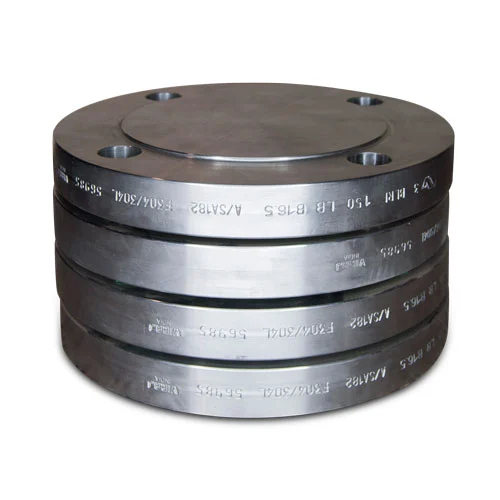
Blind Flanges – Also known as blanking flanges, these are used to close off pumps, valves, or pipelines. They have no center bore and may be supplied with or without hubs.
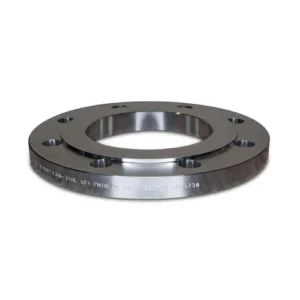
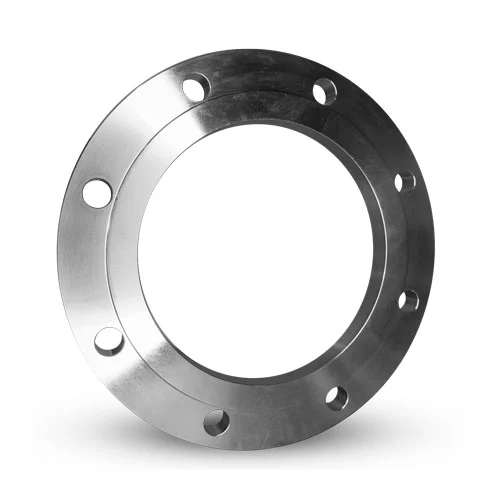
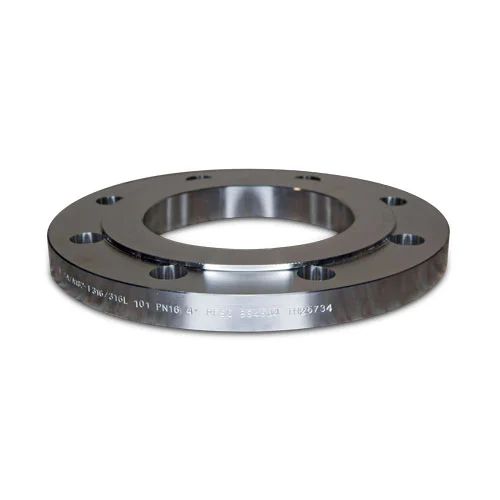
Slip-On Flanges – The most cost-effective type. These flanges have a slightly larger diameter than the pipe, allowing them to slip over the end before being welded both inside and outside to prevent leaks.
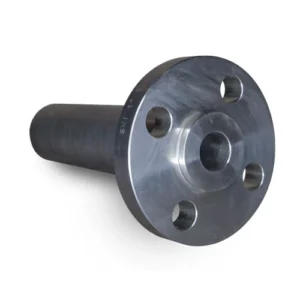
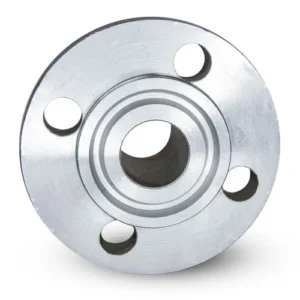
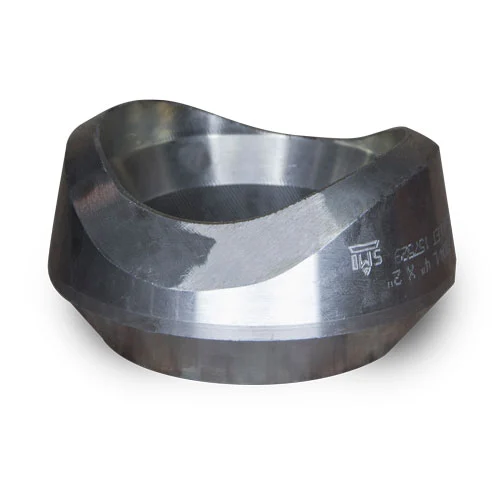
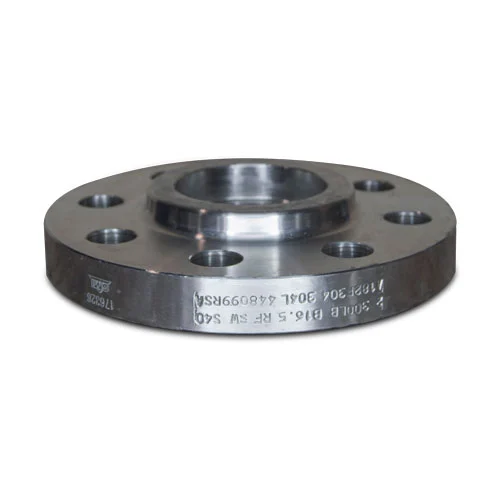
Socket Weld Flanges – Common in high-pressure, small-diameter pipes, such as hydraulic or steam lines. They are welded around the hub, ensuring a smooth flow of fluid or gas.
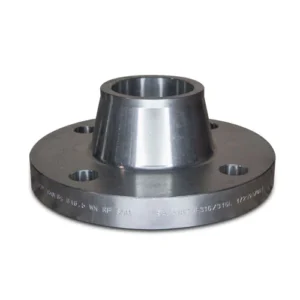
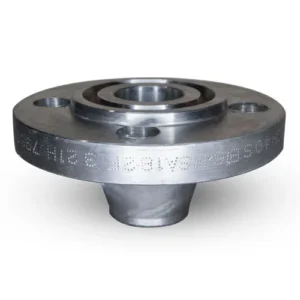
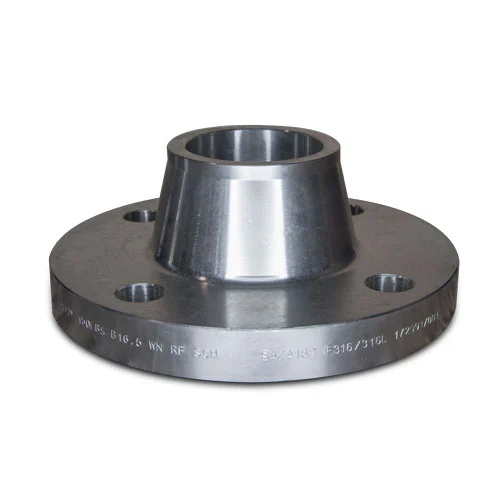
Weld Neck Flanges – Ideal for high-stress applications, these flanges are butt-welded to the piping system. Their diameter matches the pipe’s internal diameter, reducing turbulence and erosion.
Threaded Flanges – Feature external threads, allowing assembly without welding. Suitable mainly for small-diameter, low-pressure applications.
Lap Joint Flanges – Easy to align and assemble, these flanges are suited to low-pressure systems where frequent dismantling is needed for inspection.