
Machining Services
Machining Stainless Steel
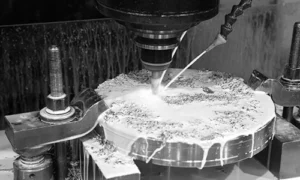
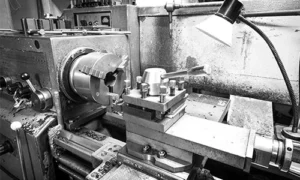
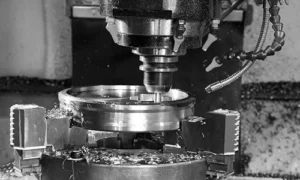
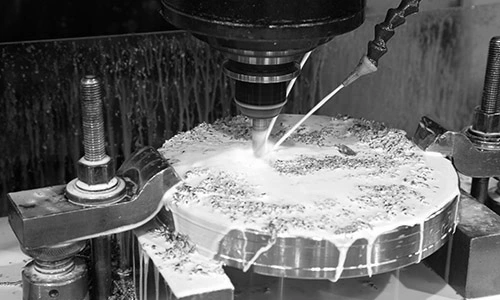
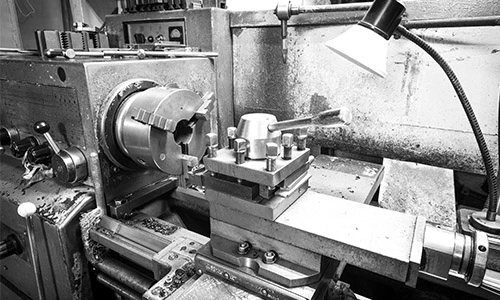
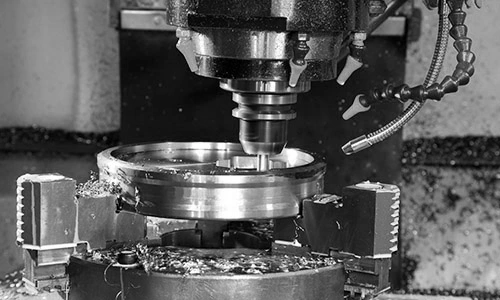
Machining covers a wide range of processes, including turning, drilling, milling, and threading. Compared to carbon steel, stainless steel is generally more challenging to machine — and the higher the alloy content, the more difficult the process becomes. For this reason, it’s essential to use tools and inserts specifically designed for stainless steel to ensure longer tool life, optimal chip length, and reliable results.
Austenitic Stainless Steel
Grades such as 304 and 316 are the most commonly machined. While they have poor chip-breaking properties and a high work-hardening rate, careful planning and the right techniques make machining them both feasible and efficient.
Key Factors for Successful Machining
- Right machine for the job
Not all machines are built for stainless steel. Smaller models designed for brass or mild steel often lack the strength required. - Proper setup
Machines must be well-positioned and securely anchored. Minimise vibration, and keep the distance between tool support and cutting tip as short as possible. - Cutting tools
Use carbide or high-speed steel tools, always sharp and as large as possible to help dissipate heat. - Lubrication
Lubricants thinned with paraffin improve cooling, particularly when making heavy cuts at slow speeds. - Continuous cutting
Avoid interruptions to prevent work hardening. A good principle is: “Get in, cut, and get out.”
Aurika Buttweld Flanges
Aurika Buttweld Flanges
Aurika Buttweld Flanges
1/1