Forging Services
Forging: From Ancient Craft to Modern Industry
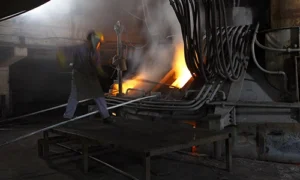
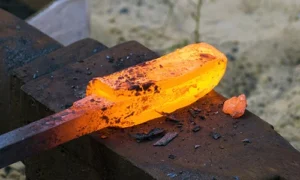
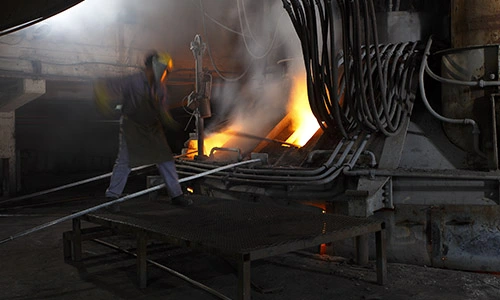
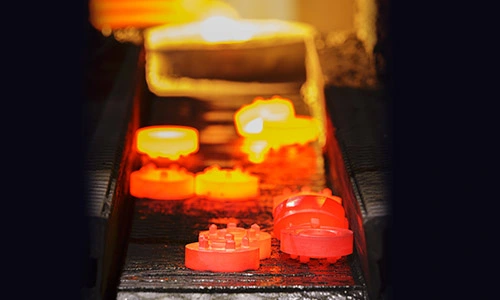
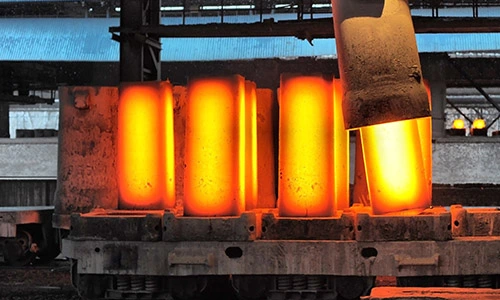
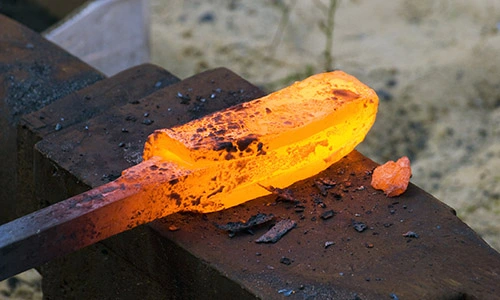
Forging is one of the oldest metalworking techniques, dating back thousands of years. What once took place in traditional blacksmith workshops has today evolved into advanced manufacturing facilities equipped with CAD design systems, high-capacity presses, and precision tooling to meet the demands of modern industry.
How Forging Works
Industrial forging is carried out using either:
- Hammers powered by compressed air, electricity, hydraulics, or steam.
- Mechanical and hydraulic presses, which provide controlled shaping force.
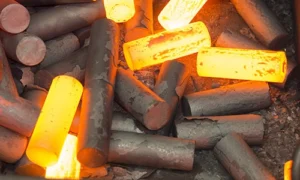
The result is forged components (known as forgings) that are significantly stronger and more reliable than parts produced by most other metalworking processes. This superior strength allows for reduced sectional thickness and lighter weight, without sacrificing integrity — a vital factor in industries where safety and reliability are critical.
Key Advantages of Forging
- Lower material costs.
- Shorter production lead times.
- Extended tool life.
- Superior mechanical strength and durability.
Forgings are essential but often hidden from view, forming critical parts of cars, aircraft, ships, drilling equipment, engines, and even defense systems.
Common Forging Methods
Open Die Forging
- Modern evolution of the blacksmith’s hammer and anvil.
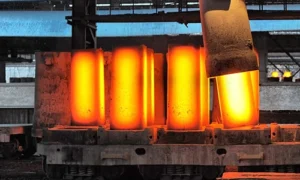
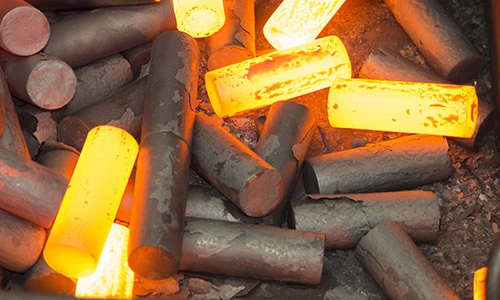
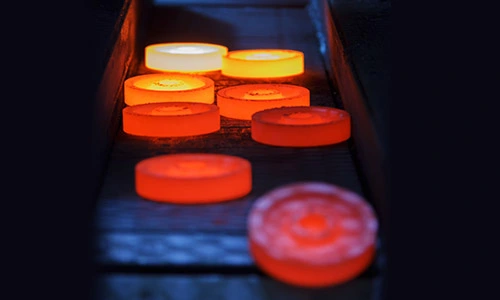
- Used for large components like shafts, sleeves, and disks.
- Part weights can vary from 2 kg to 200,000 kg.
Closed Die Forging
- Dies move together to partially or completely enclose the workpiece.
- Heated material is shaped under high pressure into the required form.
- Suitable for precision parts and high production runs.
Impression Die Forging
- Ideal for components that require accurate shaping and high strength.
- Performed on a horizontal forging machine, known as an upsetter.
- Stock is held between fixed and moving dies while a ram applies horizontal pressure.